


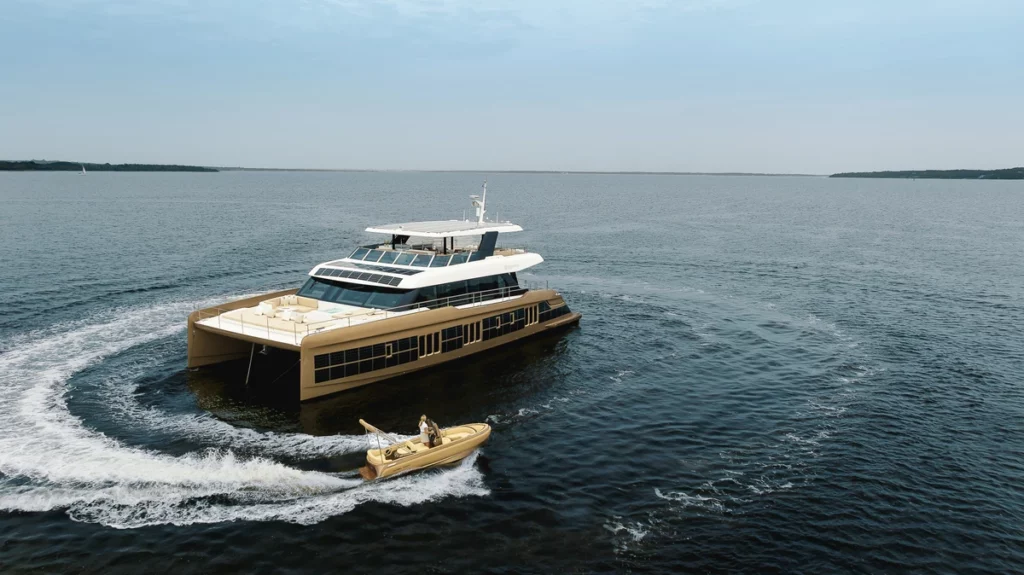
The salty breeze, the gentle rocking of waves, and the endless horizon—there’s something magical about being on a yacht. A few years ago, I found myself aboard a friend’s sleek vessel, slicing through the turquoise waters of the Mediterranean. As we sipped chilled drinks and marveled at the coastline, I couldn’t help but wonder: how much of this luxury comes at the planet’s expense? That question sparked a deep dive into the world of yacht construction, where I discovered a growing movement toward sustainability. Today, eco-friendly materials are transforming how yachts are built, balancing opulence with environmental responsibility. Let’s explore this fascinating shift, from the materials revolutionizing the industry to the challenges and opportunities they present.
The Environmental Wake of Traditional Yachts
Yachts have long been symbols of wealth and freedom, but their environmental footprint can be sobering. Traditional construction relies heavily on materials like fiberglass, exotic hardwoods, and petroleum-based resins, which are resource-intensive and difficult to recycle. Fiberglass, for instance, is durable and lightweight but takes centuries to decompose in landfills. The production of these materials emits significant carbon dioxide, and the disposal process often involves toxic chemicals leaching into ecosystems.
I recall visiting a yacht-building yard in Italy, where the air was thick with the acrid smell of resin. Workers meticulously layered fiberglass sheets, creating hulls that would last decades. But as I learned more, I realized that “lasting” wasn’t always a virtue. When yachts reach the end of their life cycle, many are abandoned or scrapped, contributing to marine pollution. This reality has pushed designers, builders, and owners to seek greener alternatives, sparking innovation in eco-friendly materials.
Bamboo: The Unsung Hero of Yacht Interiors
One of the most exciting materials making waves in yacht construction is bamboo. Often associated with tropical vibes, bamboo is a fast-growing grass that regenerates quickly, making it a highly sustainable resource. Unlike traditional hardwoods like teak, which can take decades to mature, bamboo reaches harvestable size in just three to five years. Its strength-to-weight ratio rivals steel, and its natural beauty adds warmth to yacht interiors.
A standout example is the Eco Yacht project by GreenYachts, which incorporated bamboo paneling for cabin interiors. The result was a luxurious yet earthy aesthetic that didn’t compromise on durability. Bamboo’s versatility extends beyond aesthetics—it’s also used in composite materials for decking and structural components. By choosing bamboo, builders reduce deforestation and carbon emissions while creating yachts that feel connected to nature.
However, bamboo isn’t without challenges. Sourcing high-quality, ethically harvested bamboo requires diligence to avoid suppliers who clear-cut forests for monoculture plantations. Proper treatment is also essential to prevent mold in marine environments. Despite these hurdles, bamboo’s renewability and aesthetic appeal make it a frontrunner in sustainable yacht design.
Recycled Plastics: Turning Ocean Waste into Luxury
The irony of yachts contributing to ocean pollution isn’t lost on the industry. Enter recycled plastics, a game-changer in eco-friendly yacht construction. Companies like The Ocean Cleanup have partnered with yacht builders to transform marine debris into durable materials for decking, furniture, and even hull components. These plastics, often collected from gyres like the Great Pacific Garbage Patch, are processed into pellets and molded into strong, weather-resistant products.
One inspiring story comes from the Plastic Odyssey, a yacht built partially from recycled plastic bottles. Its decking, made from compressed plastic waste, is not only functional but also a powerful statement about circular economies. By using recycled plastics, builders reduce reliance on virgin petroleum and keep waste out of the oceans—a win-win for the environment and the industry.
Still, recycled plastics have limitations. They can be less aesthetically versatile than wood or composites, and their long-term durability in harsh marine conditions is still being tested. But as technology advances, these materials are becoming more refined, offering a practical solution for eco-conscious yacht owners.
Bio-Based Composites: The Future of Hulls
The hull is the heart of a yacht, and traditionally, it’s been a fiberglass fortress. But bio-based composites are rewriting the playbook. These materials, made from natural fibers like flax, hemp, or jute combined with bio-resins derived from plants, offer a lighter, greener alternative. Flax-based composites, for instance, have a carbon footprint up to 75% lower than fiberglass, according to a study by the University of Cambridge.
The Greenline 33 yacht, built by a Slovenian company, showcases the potential of bio-composites. Its hull, reinforced with flax fibers, is strong, lightweight, improving fuel efficiency. Bio-resins, often made from soybeans or linseed oil, replace petroleum-based epoxies, reducing toxic emissions during production. The result is a yacht that performs as well as its conventional counterparts while treading lightly on the planet.
I spoke with a naval architect who described bio-composites as “the holy grail of sustainable yachting.” However, they cautioned that scaling these materials is costly, and the industry’s conservative standards mean rigorous testing is needed to gain widespread approval. Despite these barriers, bio-composites are gaining momentum, promising a future where yacht hulls are as eco-friendly as they are robust.
Cork: Lightweight and Naturally Resilient
Cork, the material we pop from wine bottles, is another surprising contender in yacht construction. Harvested from the bark of oak trees without harming them, cork is renewable, lightweight, and naturally resistant to mold and fire. Its cellular structure makes it an excellent insulator, ideal for cabin walls or flooring, where it provides comfort underfoot.
A boutique yacht designer in Portugal shared how they used cork in a custom catamaran’s interior. The cork flooring not only reduced the vessel’s weight but also created a soft, non-slip surface that guests raved about. Cork’s sustainability credentials are bolstered by its biodegradability, making it a low-impact choice from cradle to grave.
Yet, cork’s softness can be a drawback for high-traffic areas, and its aesthetic may not suit ultra-modern yacht designs. Blending it with other materials, like bamboo or recycled composites, can overcome these limitations, creating a balanced, eco-friendly design.
Solar Panels and Energy-Efficient Materials
While not a construction material in the traditional sense, solar panels are revolutionizing yacht sustainability. Modern yachts integrate photovoltaic cells into decks, canopies, powering onboard systems and reducing reliance on diesel generators. Tesla’s solar technology, for instance, has inspired marine-grade panels that are sleek and efficient, blending seamlessly into yacht designs.
The Solarwave 64, a catamaran equipped with solar panels, can cruise indefinitely at low speeds using solar power alone. By pairing solar panels with lightweight materials like bio-composites or cork, builders enhance energy efficiency, creating yachts that are both eco-friendly and cost-effective to operate.
The downside? Solar panels require significant upfront investment and can’t fully power high-speed yachts. But for eco-conscious cruisers prioritizing leisure over speed, they’re a transformative addition.
The Role of 3D Printing in Sustainable Yacht Building
Additive manufacturing, or 3D printing, is another innovation pushing eco-friendly yacht construction forward. By using bio-based or recycled materials, 3D printers can create precise components with minimal waste. A 2022 project in the Netherlands saw a yacht builder print a prototype hull section from recycled plastic, cutting material use by 40% compared to traditional methods.
This technology allows for rapid prototyping and customization, enabling designers to experiment with sustainable shapes that reduce drag and fuel consumption. While 3D printing is still in its early stages for large-scale yacht production, its potential to minimize waste and use eco-friendly materials is undeniable.
Challenges and Opportunities in Adoption
Transitioning to eco-friendly materials isn’t without its growing pains. Cost is a significant barrier—bio-composites and recycled plastics are often pricier than fiberglass or teak. Regulatory hurdles also loom large, as marine classification societies demand rigorous testing to ensure safety and durability. And then there’s the cultural challenge: convincing affluent buyers that sustainability is worth the premium.
Yet, the opportunities are immense. As consumer demand for sustainability grows, brands that embrace eco-friendly materials gain a competitive edge. Governments are also stepping up, with incentives like tax breaks for green vessels in countries like Norway. Most importantly, these materials align with the ethos of yachting—preserving the pristine waters we love to explore.
Expert Voices: Insights from the Field
I reached out to Dr. Sarah Lin, a marine sustainability expert at the World Maritime University, who emphasized the industry’s need for collaboration. “Yacht builders, material scientists, and policymakers must work together to scale solutions,” she said. “It’s not just about materials—it’s about rethinking the entire lifecycle of a yacht.” Her words underscore the complexity of this transition but also its potential for systemic change.
Similarly, yacht designer Johnathan Swain, who specializes in eco-friendly vessels, shared his passion for flax-based composites. “Clients are surprised by how luxurious sustainable can be,” he said. “It’s about crafting a yacht that tells a story—one of innovation and respect for the planet.”
FAQ: Your Questions About Eco-Friendly Yacht Construction Answered
What Are the Most Sustainable Materials for Yacht Construction?
The most sustainable materials include bamboo, recycled plastics, hemp bio-composites, flax, and cork. Bamboo is renewable and versatile, while recycled plastics address ocean waste. Bio-composites, like those made from flax or hemp, reduce carbon footprints, and cork offers insulation and biodegradability. Each material’s sustainability depends on ethical sourcing and proper application.
How Do Eco-Friendly Materials Impact Yacht Performance?
Eco-friendly materials can enhance performance in some cases. Lightweight composites improve fuel efficiency, and durable options like bamboo withstand marine conditions well. However, some materials, like recycled plastics, may have slightly lower durability than fiberglass, requiring careful engineering. Overall, advancements are closing these gaps, making sustainable yachts competitive.
Are Eco-Friendly Yachts More Expensive?
Initially, yes. Sustainable materials and technologies like bio-composites or solar panels often cost more due to limited production scales and R&D costs. However, long-term savings from fuel efficiency and lower maintenance can offset this. As demand grows, prices are expected to drop, making eco-yachts more accessible.
Can Existing Yachts Be Retrofitted with Eco-Friendly Materials?
Retrofitting is possible but complex. Replacing decking with cork or bamboo is feasible, and adding solar panels is increasingly common. However, swapping out a fiberglass hull for a bio-composite one is impractical. Retrofitting requires expert assessment to ensure structural integrity and compliance with regulations.
How Can I Find a Builder Specializing in Eco-Friendly Yachts?
Research builders with a track record in sustainability, like GreenYachts or Sunreef Yachts. Check their websites for certifications or eco-projects, and read reviews from clients. Industry events, like the Monaco Yacht Show, often highlight green builders. Connecting with a naval architect specializing in eco-design can also help.
Conclusion: Navigating a Greener Horizon
As I reflect on my journey through the world of eco-friendly yacht construction, I’m struck by the ingenuity driving this movement. From bamboo’s rustic elegance to the high-tech promise of bio-composites, these materials are more than just alternatives—they’re a reimagining of what yachting can be. They invite us to sail not just for pleasure, but with purpose, safeguarding the oceans that inspire us.
For yacht owners or enthusiasts, the path forward involves curiosity and commitment. Start by asking builders about sustainable options or explore retrofitting possibilities. Support brands that prioritize the planet, and share your journey to inspire others. If you’re dreaming of a new yacht, consider one that reflects your values—luxury needn’t come at the earth’s expense.
The sea has always been a place of adventure and reflection. By embracing eco-friendly materials, we can ensure it remains a sanctuary for generations to come. So, let’s set sail toward a greener horizon, where every yacht tells a story of sustainability and stewardship.