


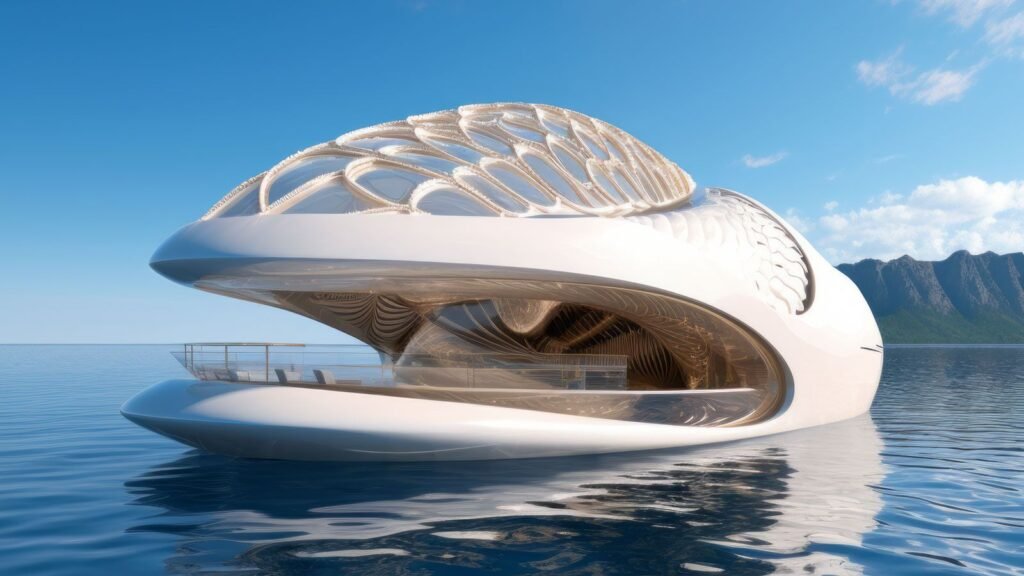
Imagine gliding across turquoise waters, the sun warming your face, the breeze carrying the scent of the sea, and the knowledge that your journey leaves no trace on the planet. For years, yachting has been synonymous with luxury, but it’s also carried a heavy environmental cost. Superyachts, with their massive fuel consumption, have long been criticized for their carbon footprints. Yet, in 2025, the yachting industry is undergoing a transformation, steering toward a greener horizon. From innovative technologies to bold commitments, carbon-neutral yachting is no longer a distant dream—it’s a reality taking shape. Let’s dive into this exciting shift, exploring how the industry is redefining luxury to align with sustainability, and what it means for yacht owners, charterers, and the planet.
The Wake-Up Call: Why Yachting Needs to Go Green
Yachting has always been about freedom and indulgence, but the environmental toll is hard to ignore. A single transatlantic crossing on a superyacht can produce tens of tonnes of carbon dioxide, rivaling the annual emissions of an average household. According to the International Maritime Organization, maritime transport, including yachting, accounts for nearly 3% of global greenhouse gas emissions. For an industry built on the love of the ocean, this is a paradox that can’t be overlooked.
I remember my first yacht charter in the Mediterranean. The thrill of cruising between islands was unmatched, but the sight of diesel fumes trailing behind us left a pang of guilt. It’s a sentiment shared by many yacht enthusiasts today, who are increasingly aware of their environmental impact. The good news? The industry is listening. In 2025, shipyards, designers, and owners are embracing sustainability, driven by regulatory pressures, consumer demand, and a genuine desire to protect the seas they cherish.
Pioneering Technologies: The Heart of Carbon-Neutral Yachting
The push for carbon neutrality is sparking a wave of innovation in yacht design and propulsion. One of the most exciting developments is the rise of alternative fuels. Take the Sanlorenzo 50Steel, the world’s first carbon-neutral superyacht, launched in 2025 as part of the LIFE OCEAN project. Powered by green methanol and fuel cell technology, this vessel generates up to 100kW of electrical power, allowing it to operate at anchor with zero emissions. As Markus Wagner from Siemens Energy notes, “This solution constitutes a truly carbon-neutral technology for the maritime sector.” The absence of moving parts in the fuel cell system also reduces underwater noise, protecting marine life.
Another game-changer is hybrid propulsion. Companies like Feadship are leading the charge with their “agnostic” fuel systems, designed to work with both current and future fuels like Hydrotreated Vegetable Oil (HVO) and synthetic e-diesel. Feadship’s Pure concept, an 81.75-meter yacht introduced in 2021, showcases this flexibility, aiming for carbon neutrality by 2030. These systems combine diesel engines with electric motors, slashing fuel consumption and emissions without sacrificing performance.
Solar power is also making waves. Silent Yachts, an Austrian eco-catamaran specialist, has mastered solar-electric propulsion. Their yachts, like the Silent 55, use photovoltaic panels to generate power, offering noiseless cruising and unlimited range with minimal maintenance. The use of eco-friendly materials like bamboo and cork further reduces their environmental footprint, proving that luxury and sustainability can coexist.
Sustainable Materials: Building a Greener Future
Sustainability isn’t just about how yachts move—it’s about how they’re built. Traditional yacht construction relies on energy-intensive materials like fiberglass and exotic hardwoods, but 2025 is seeing a shift toward eco-conscious alternatives. Recycled aluminum, bio-based composites, and sustainable woods like bamboo are gaining popularity. Cheoy Lee Shipyards, for instance, uses lightweight composites to improve fuel efficiency, while Royal Huisman incorporates carbon fiber to reduce reliance on fossil fuels.
I recently spoke with a yacht designer at the Monaco Yacht Show, who shared how clients are increasingly requesting sustainable materials that don’t compromise on aesthetics. “It’s about creating a vessel that feels luxurious but aligns with their values,” she said. This trend is reflected in the industry’s adoption of circular design principles, where materials are chosen for their recyclability and low environmental impact. Water-based paints and organic fabrics are becoming standard, reducing toxic runoff and ensuring yachts are as green on the inside as they are on the outside.
Carbon Offsetting: A Practical Step Toward Neutrality
While zero-emission yachts are the ultimate goal, carbon offsetting offers an immediate solution for reducing impact. Yacht Carbon Offset, a leader in this space, provides bespoke carbon footprint calculators to measure emissions from fuel, shore power, and even crew travel. These emissions are then offset through verified projects, such as renewable energy initiatives or mangrove restoration. For example, their Mauritius solar power project contributes 21% of the island’s installed solar capacity, showcasing the tangible impact of offsetting.
Offsetting isn’t just for owners—charter companies are jumping on board. Boatbookings, a charter platform, integrates carbon credits into their booking process, allowing guests to neutralize their vacation’s emissions. This resonates with eco-conscious travelers who want to enjoy the seas guilt-free. As Rachel Goult, Managing Director of Yacht Carbon Offset, puts it, “Offsetting empowers the charter market to make sustainable choices.” It’s a practical step that bridges the gap until fully carbon-neutral technologies become widespread.
Regulatory Push: Navigating New Standards
The yachting industry isn’t going green solely out of goodwill—regulations are tightening. The European Union’s Emissions Trading Scheme (EU ETS), extended to large yachts over 5,000 gross tons in 2024, requires operators to purchase carbon credits for emissions. This has spurred investment in alternative fuels and energy-efficient navigation. The International Maritime Organization’s goal of an 80% emissions reduction by 2050 further pressures the industry to innovate.
Events like the Monaco Yacht Show are also setting the pace. Their Carbon Neutrality Transition Plan aims to cut emissions by 60% by 2025 compared to 2022, aligning with Monaco’s low-carbon trajectory. These regulations aren’t just bureaucratic hurdles; they’re catalysts for change, encouraging shipyards and operators to rethink every aspect of yachting.
The Charter Experience: Eco-Luxury on the Rise
Chartering a yacht no longer means leaving a trail of emissions. Companies are offering eco-conscious packages that include carbon-offset routes, low-impact watersports, and partnerships with marine conservation organizations. Imagine snorkeling in a protected marine reserve or participating in a beach clean-up during your charter—it’s luxury with a purpose.
Fountaine Pajot, a French catamaran builder, is pushing the envelope with their Odysséa24 plan, aiming for carbon neutrality by 2030. Their Samana 59 Smart Electric, equipped with hydrogen fuel cells and solar panels, offers 40 hours of autonomy at anchor. This aligns with a growing trend where charter guests prioritize sustainability without sacrificing comfort. As Loic Bonnet, CEO of Dream Yacht Group, says, “We can make sailing accessible with a lower impact on our seas.”
Challenges and Realities: Is Full Carbon Neutrality Possible?
Despite the progress, achieving 100% carbon neutrality remains a challenge. Retrofitting existing yachts with hybrid systems can cost millions, and alternative fuels like green methanol aren’t yet widely available. Sustainable materials, while promising, must withstand harsh marine conditions without compromising luxury. As one shipyard executive told me, “Clients want eco-friendly, but they also want the polished look of exotic woods. It’s a balancing act.”
Skeptics argue that carbon offsetting, while effective, can feel like a Band-Aid solution. Critics also point out that yachting’s emissions, though significant, are a small fraction of maritime transport’s 3% global share. Yet, the industry’s high visibility makes it a target for scrutiny, pushing leaders to act swiftly.
The Human Element: Owners and Crew Leading the Way
The drive for sustainability isn’t just top-down—it’s personal. Yacht owners like Bill Gates, whose hydrogen-powered yacht is a beacon of innovation, are setting examples. Crews are also pivotal, adopting practices like reducing single-use plastics and optimizing fuel efficiency. During my last charter, the crew proudly showed me their biodegradable cleaning products and water recycling system, a small but meaningful step toward sustainability.
Organizations like the Water Revolution Foundation (WRF) are fostering collaboration. Their Yacht Environmental Transparency Index (YETI) measures a yacht’s lifecycle impact, helping owners and builders make informed choices. As Robert van Tol, WRF’s Executive Director, says, “We are measuring sustainability, not just marketing it.”
A Glimpse into the Future
The yachting industry in 2025 is at a turning point. From hydrogen-powered catamarans to solar-electric superyachts, the tools for carbon neutrality are here. But it’s the collective commitment—shipyards, owners, crews, and charterers working together—that will make the difference. The ocean is more than a playground; it’s a legacy. By embracing these initiatives, the industry is not only preserving the seas but also redefining what luxury means in a climate-conscious world.
FAQ
What is carbon-neutral yachting?
Carbon-neutral yachting refers to operating yachts in a way that results in net-zero greenhouse gas emissions. This can be achieved through technologies like hybrid propulsion, alternative fuels (e.g., green methanol or HVO), and solar power, or by offsetting emissions through verified projects like renewable energy or reforestation. The goal is to balance emissions produced with equivalent reductions elsewhere, ensuring no net impact on the environment.
How do carbon offsets work for yachts?
Carbon offsets involve calculating a yacht’s emissions—typically from fuel, shore power, and crew travel—and purchasing credits to fund equivalent emission reductions elsewhere. For example, Yacht Carbon Offset supports projects like solar power in Mauritius or cookstove distribution in India, which reduce CO2 by at least 50%. Clients receive a personalized Carbon Offset Certificate detailing the project and emissions neutralized.
What are the main technologies driving carbon-neutral yachting?
Key technologies include hybrid propulsion (combining diesel and electric motors), fuel cells using green methanol or hydrogen, and solar-electric systems. Feadship’s agnostic fuel systems and Silent Yachts’ solar-powered catamarans are prime examples. These technologies reduce or eliminate fossil fuel use, with innovations like the Sanlorenzo 50Steel’s fuel cell system enabling zero-emission operation at anchor.
Are carbon-neutral yachts as luxurious as traditional ones?
Absolutely. Companies like Silent Yachts and Feadship prove that sustainability enhances luxury. Eco-friendly materials like bamboo and cork offer high-end aesthetics, while silent electric propulsion creates a serene cruising experience. Charter packages now include eco-conscious activities like snorkeling in protected areas, blending luxury with environmental responsibility.
What challenges does the yachting industry face in going carbon-neutral?
Challenges include the high cost of retrofitting yachts with hybrid or electric systems, limited availability of alternative fuels, and the need for sustainable materials to match the durability and aesthetics of traditional ones. Carbon offsetting, while effective, is sometimes seen as a temporary fix. Scaling up infrastructure for fuels like green methanol is also critical.
How can charter guests contribute to sustainable yachting?
Charter guests can choose eco-friendly yachts, like those with hybrid or solar propulsion, and opt for carbon-offset programs through platforms like Boatbookings. Reducing waste, using biodegradable products, and selecting low-impact activities like paddleboarding in protected areas also help. Communicating preferences to crews ensures sustainable practices are prioritized.
What regulations are pushing the yachting industry toward sustainability?
The EU Emissions Trading Scheme (EU ETS), extended to large yachts in 2024, requires carbon credits for emissions. The International Maritime Organization aims for an 80% emissions reduction by 2050. Events like the Monaco Yacht Show are also setting ambitious targets, such as a 60% emissions cut by 2025, driving industry-wide change.
Conclusion: Charting a Greener Course
The journey to carbon-neutral yachting in 2025 is a story of innovation, responsibility, and hope. From the Sanlorenzo 50Steel’s fuel cells to Silent Yachts’ solar-powered catamarans, the industry is proving that luxury and sustainability can sail in harmony. Owners, crews, and charterers are all part of this transformation, driven by a shared love for the ocean and a commitment to its future.
For those ready to join this movement, start small: choose a charter with carbon offsetting, support shipyards like Feadship or Fountaine Pajot that prioritize sustainability, or simply ask your crew about eco-friendly practices. Every step counts. As I reflect on my own yachting experiences, I’m inspired by the industry’s courage to change. The seas have given us so much—now it’s our turn to give back. Let’s sail toward a future where every voyage is as kind to the planet as it is to our souls.