


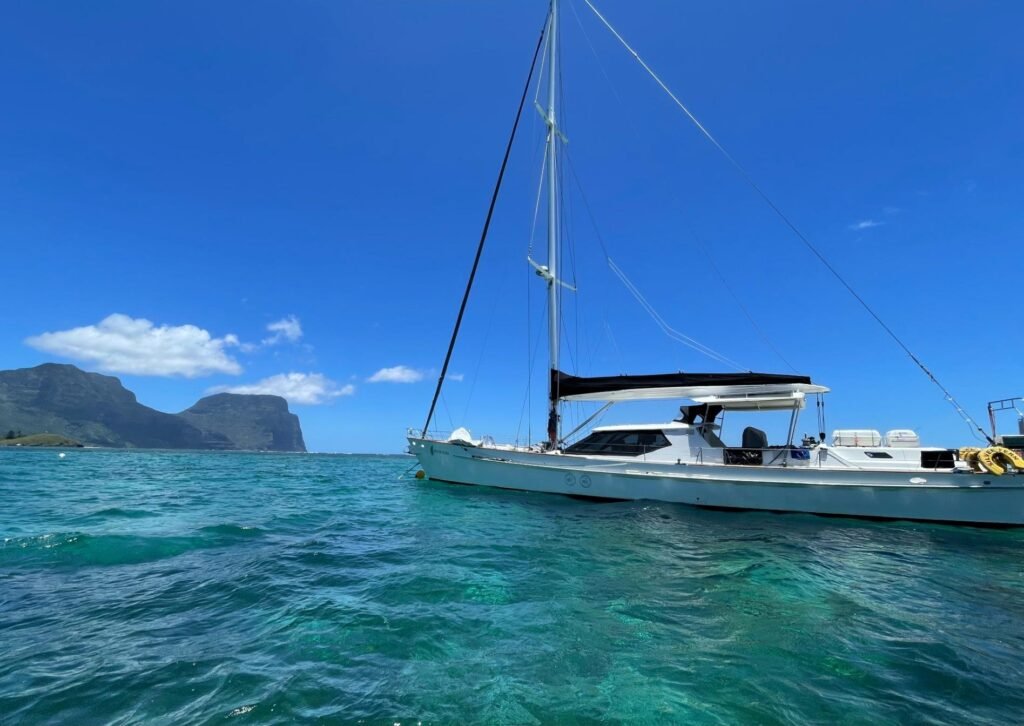
The sun dips below the horizon, painting the sky in hues of coral and gold. I’m anchored in a lagoon so clear it feels like the boat is floating on air, surrounded by a ring of coral and palm-fringed motus—tiny islets that barely break the surface of the South Pacific. This is Fakarava, one of the Tuamotu atolls in French Polynesia, and it’s the kind of place that makes you question why you’d ever return to land. Sailing the South Pacific atolls isn’t just a trip; it’s a plunge into a world where time slows, nature reigns, and every day feels like a discovery. Let me take you on a journey through these remote paradises, sharing stories, insights, and practical tips to inspire your own sailing adventure.
The Allure of South Pacific Atolls
Atolls are nature’s masterpieces—rings of coral reefs encircling turquoise lagoons, often formed around ancient volcanic islands that have sunk into the sea over millennia. The South Pacific, particularly French Polynesia’s Tuamotu Archipelago, is home to some of the most pristine atolls on Earth, like Rangiroa, Fakarava, and Ahe. These destinations are far from the crowded marinas of the Mediterranean or Caribbean, offering a raw, unfiltered connection to the ocean.
My first encounter with an atoll was in Rangiroa, the largest in the Tuamotus. As we sailed through the Tiputa Pass, dolphins danced in our bow wave, and the lagoon opened up like a sapphire mirror. The isolation was humbling—there’s no hospital, no supermarket, just a few small villages and an ocean teeming with life. This remoteness is what makes atoll sailing so unique. You’re not just a visitor; you become part of the ecosystem, reliant on your boat, your skills, and the generosity of locals.
Why Sail the Atolls?
Sailing the South Pacific atolls offers an experience unlike any other. The calm lagoons are perfect for novice sailors, while navigating reef passes tests even seasoned captains. The marine life is staggering—think snorkeling with manta rays, diving with sharks, or fishing for your dinner. Culturally, these islands are rich with Polynesian traditions, from Heiva festivals to intricate tattoos. And then there’s the sheer beauty: beaches so white they dazzle, sunsets that feel like private shows, and stars so bright they guide your way.
But it’s not just about the destination. The journey itself—days of tradewind sailing across open ocean—teaches patience and resilience. As one cruiser I met in Moorea put it, “The Pacific humbles you, but it also sets you free.” Whether you’re chasing adventure, seeking solitude, or craving a deeper connection with nature, the atolls deliver.
Planning Your Atoll Adventure
Sailing to the South Pacific atolls requires careful preparation. Most sailors start their journey from Panama, crossing via the Galapagos or directly to the Marquesas Islands, a 3,000-mile passage known as the Coconut Milk Run. From there, it’s a shorter hop to the Tuamotus. The best time to sail is May to October, when trade winds are steady and cyclone risks are low.
Choosing the right vessel is crucial. Monohulls like the Pacific Seacraft 34 or catamarans like the Seawind 1260 are popular for their stability and storage. Ensure your boat is equipped with solar panels, a watermaker, and robust navigation tools, as atolls are remote. Charts and radar are essential for navigating coral-strewn waters, and a good dinghy is your lifeline for exploring lagoons.
Provisioning is another challenge. Stock up in Tahiti or Panama, as atoll villages have limited supplies. Trade goods like fish hooks or old sails can be bartered with locals for fresh fruit. I learned this in Ahe, where a bag of worn lines scored us a week’s worth of coconuts and bananas.
For those without their own boat, chartering is a great option. Companies like Dream Yacht Charter offer bareboat or crewed charters in Tahiti, with itineraries covering the Tuamotus and Society Islands. For a more immersive experience, join an expedition vessel like Tecla, which offers hands-on sailing adventures.
Navigating Atoll Passes
Atoll passes—narrow channels connecting lagoons to the open ocean—can be thrilling or terrifying, depending on conditions. Currents can reach 8 knots, and standing waves are common during strong winds. Timing is everything. Slack water, when the tide is neither incoming nor outgoing, is the safest time to transit. In Fakarava, we waited two hours tacking near the pass, watching for calm water before entering. Patience paid off; the lagoon was a glassy haven.
Tide tables are unreliable in the Tuamotus due to swell and wind influences, so observe local conditions. Steep waves outside the pass indicate an outgoing current, while eddies inside suggest incoming flow. Always have fenders ready and an exit plan if conditions worsen. As Cruising World advises, “Preparation and caution minimize risks in these coral-strewn waters.”
Life on the Atolls
Once anchored, the atolls reveal their magic. In Fakarava, we snorkeled the Garuae Pass, drifting with schools of tropical fish and gray reef sharks. The coral gardens were alive with color, untouched by mass tourism. On shore, we met locals who shared stories of pearl farming, a key industry in the Tuamotus. Their hospitality was humbling—fresh fish and breadfruit appeared on our deck one morning, a gift from a family we’d met.
Exploring motus is a highlight. These tiny islets are often uninhabited, with beaches littered with shells and coconut crabs scuttling under palms. In Rangiroa, we hiked a motu to find a bird colony, the air filled with the cries of noddies and frigatebirds. But respect is key—many motus are sacred or privately owned, so always ask permission before going ashore.
For surfers, atolls offer uncrowded breaks, though reefs are shallow and sharp. In the Tuamotus, a couple I met wore helmets and booties to protect against cuts, a lesson I took to heart after scraping my knee on coral. Diving is equally spectacular, with sites like Tahuata’s Bay of Hanamoenoa offering encounters with dolphins and turtles.
Challenges and Rewards
Sailing atolls isn’t without challenges. Isolation means self-reliance—there’s no mechanic or doctor nearby. In Ahe, our watermaker failed, forcing us to ration until we reached Tahiti. Maintenance is constant; check your anchor chain for coral damage and monitor weather for sudden squalls. The South Pacific Convergence Zone can bring 35-knot winds, as one sailor recounted in Yachting World.
Yet the rewards outweigh the hardships. The sense of freedom is unparalleled—waking to a lagoon all your own, diving into water so clear you see fish 30 feet below, or trading stories with fellow cruisers under a starry sky. As Sailing Today notes, “The Pacific is a lot more ocean than anything else, but its islands are paradises worth discovering.”
Cultural Immersion
The atolls are steeped in Polynesian culture. In Rangiroa, we attended a Heiva festival, where dancers in grass skirts moved to the rhythm of drums. Locals invited us to join, teaching us basic steps amid laughter. Tattoos, a sacred art form, tell stories of heritage—our guide in Fakarava showed us his, each line marking a life milestone.
Respecting local customs is essential. In Tetiaroa, a sacred island, we avoided restricted areas and left no trace. Engaging with communities, whether through trading or attending church services, deepens the experience. As Sail Magazine highlights, the Gambier Islands’ Heiva showcases traditions untouched by tourism.
Sustainable Sailing
Atolls are fragile ecosystems, and sailors must tread lightly. Anchor on sand, not coral, to avoid damage. Dispose of waste properly—many atolls lack facilities, so carry trash until you reach a port. Support local economies by buying pearls or crafts, but avoid taking shells or coral, which depletes reefs. Initiatives like the South Pacific Sailing Network promote sustainable cruising, balancing tourism with environmental preservation.
FAQ
What Are the Best Atolls for Sailing in the South Pacific?
The Tuamotu Archipelago in French Polynesia is a top choice, with atolls like Rangiroa, Fakarava, and Ahe offering stunning lagoons and rich marine life. Rangiroa’s Tiputa Pass is famous for dolphin sightings, while Fakarava is a UNESCO Biosphere Reserve with world-class diving. For a quieter experience, try Toau or Tahanea, which have fewer visitors but equally beautiful anchorages. Each atoll has unique charm, so research your priorities—diving, surfing, or solitude—to choose the best fit.
How Safe Is Sailing in the South Pacific Atolls?
Sailing atolls is safe with proper preparation, but it demands caution. Navigating passes requires timing with slack water to avoid strong currents. Coral reefs pose hazards, so accurate charts and radar are essential. Weather can change quickly, with squalls from the South Pacific Convergence Zone, so monitor forecasts. Isolation means self-reliance—carry spare parts, medical supplies, and a robust communication system like a satellite phone. With patience and planning, risks are manageable, as outlined by Out Chasing Stars.
What Skills Do I Need to Sail the Atolls?
Basic sailing skills are sufficient for lagoon sailing, which is calm and protected. However, navigating passes and open-ocean passages requires advanced skills, including reading currents, anchoring in coral, and handling squalls. Familiarity with navigation tools—GPS, radar, and paper charts—is crucial, as reefs can be poorly charted. First aid and mechanical knowledge are vital due to remoteness. If you’re new to bluewater sailing, consider a course or hiring a skipper through Sail Tahiti.
How Much Does It Cost to Sail the South Pacific Atolls?
Costs vary widely. Owning a boat involves maintenance, provisioning, and fees—expect $20,000–$50,000 annually for a modest cruiser, per SV Delos. Chartering is pricier upfront; a week-long bareboat charter in Tahiti starts at $5,000, while crewed yachts can exceed $15,000. Provisioning in Panama or Tahiti is affordable, but atoll supplies are expensive. Mooring fees are minimal, as most anchorages are free, though some resorts charge. Trading with locals can offset food costs. Budget for fuel, repairs, and permits, like Galapagos entry fees.
Can I Sail the Atolls Without Owning a Boat?
Absolutely. Chartering is popular, with companies like Dream Yacht Charter offering catamarans or monohulls in Tahiti. Bareboat charters suit experienced sailors, while crewed options provide a skipper and chef for relaxation. Expedition vessels like Tecla offer hands-on voyages, teaching sailing skills while exploring remote atolls. For a budget-friendly option, join a shared charter, reserving a cabin on a larger yacht. These alternatives make atoll sailing accessible without the commitment of boat ownership.
Conclusion
Sailing the South Pacific atolls is more than a vacation—it’s a transformative adventure that challenges, humbles, and inspires. From navigating treacherous passes to drifting in lagoons that seem too perfect to be real, every moment feels like a gift. The atolls teach you to slow down, to respect nature’s rhythms, and to find joy in simplicity—a fresh-caught fish, a stranger’s smile, or a sunset that steals your breath.
If this journey calls to you, start small. Research routes, connect with cruisers on forums like Sailing Anarchy, or book a charter to test the waters. Invest in skills—navigation, anchoring, even basic mechanics—to build confidence. Provision wisely, respect local cultures, and sail sustainably to preserve these fragile paradises. Whether you spend a week or a year, the atolls will leave you changed, with stories to tell and a longing to return.
As I write this, I’m back on land, but my heart is still in Fakarava, where the lagoon sparkles and the horizon stretches forever. The South Pacific atolls aren’t just a destination; they’re a state of mind. So hoist your sails, chase the trade winds, and discover your own slice of paradise. The ocean is waiting.