


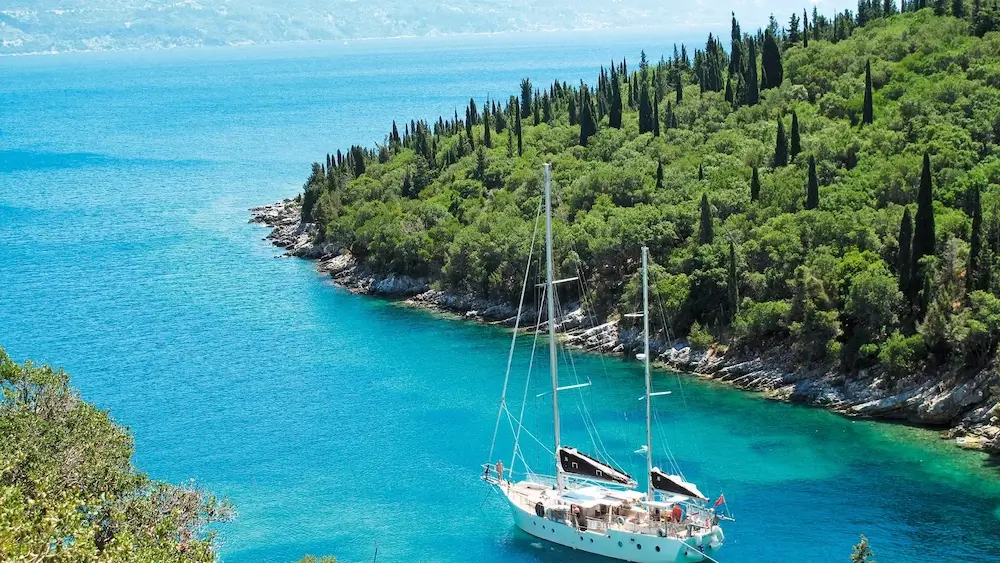
The Mediterranean Sea has a way of capturing your soul. Its turquoise waters, sun-drenched shores, and whispers of ancient history make it a sailor’s dream. But for those who crave solitude over crowded marinas, the real magic lies in its secluded anchorages—hidden coves and quiet bays where you can drop anchor and feel like the only soul for miles. I remember my first night anchored in a remote bay off Croatia’s Dalmatian coast, the stars reflecting on the still water, the only sound the gentle lapping of waves against the hull. It was as if the world had paused just for me.
In this guide, we’ll journey through the Mediterranean’s best secluded anchorages, from the rugged cliffs of Greece to the pristine sands of the Balearics. I’ll share stories, insights from seasoned sailors, and practical tips to help you find your own slice of paradise. Whether you’re a seasoned cruiser or dreaming of your first charter, this post will inspire you to seek out these hidden gems and anchor in peace.
Why Secluded Anchorages Are the Heart of Mediterranean Sailing
The Mediterranean is vast, stretching from the vibrant coasts of Spain to the ancient ruins of Turkey. With over 1,200 islands in Croatia alone and countless coves across Italy, Greece, and beyond, it’s a playground for sailors. But marinas can be expensive—sometimes €80 or more per night in high season—and often lack the charm of a quiet anchorage. Secluded anchorages offer freedom, cost savings, and a chance to connect with nature. As Shiera Brady, a seasoned sailor, shared in her blog on Dockwa, “Nothing is better than dropping the hook and backing into a little cove as our 200-ft floating stern line keeps us firmly attached to the shoreline.” These spots let you wake up to crystal waters, snorkel in vibrant marine life, and savor the solitude that’s increasingly rare in popular destinations like Santorini or the Amalfi Coast.
However, finding these havens requires knowledge. Weather, seabed conditions, and local regulations all play a role. Off-season sailing, particularly in May or October, often yields the most peaceful experiences, as Klazien, a Navily contributor, noted about Croatia’s anchorages: “In May, the restaurant was not yet open, so it was calm as can be!” Let’s explore some of the Mediterranean’s best-kept secrets, region by region.
Croatia: The Dalmatian Coast’s Hidden Bays
Croatia’s 1,200 islands make it a treasure trove for secluded anchorages. The bay of Dajla, just five miles south of Umag, is a perfect example. After clearing customs in Umag, I sailed to Dajla and found a serene cove with clear blue waters and free buoys in May. Anchoring is permitted year-round, and the bay’s protection from northern and eastern winds ensures a comfortable stay. Klazien, writing for Navily, praised Dajla’s tranquility, noting it’s ideal for avoiding the €20 buoy fees in Umag.
Another gem is the south bay of Ist Island. This anchorage offers stunning views and a short hike to the island’s highest point, where you can gaze over the Adriatic. I grilled fresh conger eel bought from a local fisherman here, its rich flavor a highlight of the trip. The bay’s sandy bottom provides good holding, but be mindful of tourist boats during the day. For ultimate seclusion, visit in spring or fall.
Greece: The Ionian Islands’ Crystal Coves
Greece’s Ionian Islands are a sailor’s paradise, with lush greenery and sapphire waters. Lakka on Paxos Island is a standout, though it’s popular in summer. Its natural bay, sheltered from northwest to eastern winds, features crystal waters and sandy banks perfect for anchoring at 5–6 meters. I spent a morning snorkeling here, marveling at the vibrant fish darting through the clear water. Roland, a Navily user, called Lakka “one of the most beautiful anchorages in the Mediterranean,” and I agree—its charm lies in its simplicity.
For a quieter escape, head to Irakleia in the Cyclades. This tiny island, with fewer than 100 residents, offers thyme-scented bays ideal for solitude. The anchorage at Agios Georgios is well-protected, and the island’s dive spots teem with sealife. Luxury Charter Group recommends Irakleia for those seeking “a quiet place for complete relaxation,” and my night here, under a blanket of stars, was pure bliss.
Italy: The Aeolian Islands’ Volcanic Hideaways
Italy’s Aeolian Islands, a volcanic archipelago off Sicily, blend rugged beauty with serene anchorages. Filicudi, less visited than Lipari or Panarea, is a favorite. Its name, derived from abundant ferns, hints at its wild charm. I anchored in a secluded bay near Filicudi Port, the island’s only settlement, and felt like I’d stepped back in time. The anchorage is safe, with good holding on sandy bottoms, and the island’s tranquility is unmatched, even in August.
Another Italian gem is Cala di Mola on Elba Island, in the Tuscan Archipelago. Nestled in Porto Azzurro bay, it’s sheltered from north to south winds and offers breathtaking views of Monte Mar di Capenna. The Navily community advises anchoring at 5–6 meters for better holding due to debris on the seabed. I explored Elba’s historic sites, including Napoleon’s exile home, and returned to my yacht for a sunset that painted the sky in hues of orange and pink.
The Balearic Islands: Spain’s Turquoise Retreats
The Balearic Islands—Mallorca, Menorca, Ibiza, and Formentera—are renowned for their stunning anchorages. Formentera’s Playa Illetes is a postcard-perfect spot, with white sand and electric blue shallows. Bluewater Yachting compares its waters to the Caribbean, and I can see why—snorkeling here felt like swimming in an aquarium. However, permits are required for buoys in the national park, so plan ahead via the Balearic Islands’ official website.
On Menorca, Son Saura del Sud offers a large, protected bay with sandy bottoms and vibrant waters. Unlike smaller coves, it has ample space, making it ideal for longer stays. I hiked through the Mediterranean maquis, its colors vivid against the white sand, and felt a deep connection to the island’s unspoiled beauty. Sailing Mediterraneo calls it one of the “best anchorages in the Balearics,” and it’s easy to see why.
Turkey: The Turkish Riviera’s Ancient Bays
Turkey’s southwestern coast, known as the Turkish Riviera, offers anchorages steeped in history. Göbün Koyu, near Gocek, is a secluded spot perfect for smaller boats. I anchored here and hiked to Roman ruins, the view of Gocek Bay from the hills unforgettable. The anchorage’s clear waters are ideal for swimming, and a nearby restaurant offers fresh seafood. GlobeSailor recommends Göbün Koyu for its blend of nature and history.
Akvaryum Koyu, also near Fethiye, is another gem. Its name, meaning “Aquarium Bay,” reflects its crystal-clear waters teeming with marine life. I spent an afternoon snorkeling, spotting colorful fish and even a sea turtle. The anchorage is well-protected, and a shuttle bus connects to local eateries, making it both secluded and convenient.
Practical Tips for Anchoring in Seclusion
Finding and enjoying secluded anchorages requires preparation. First, invest in reliable anchoring gear capable of holding in 50 knots or more, as Mediterranean winds like the Mistral can be fierce. A YBW Forum user emphasized, “Your anchoring gear has to be capable of holding in 50 knots plus.” I learned this the hard way when a sudden gust in Corsica forced a midnight anchorage move.
Check weather forecasts diligently, as conditions change rapidly. Apps like Navily provide community-sourced insights on anchorages, including wind protection and seabed quality. For example, Navily users rate Cala di Mola’s holding as variable, guiding you to anchor upstream. Respect local regulations—some anchorages, like those in Formentera’s national park, require permits.
Timing is key. May, June, September, and October offer quieter anchorages and milder weather. Avoid high season (July–August) unless you’re prepared for crowds. Finally, practice sustainable anchoring. Avoid Posidonia seagrass beds, vital to marine ecosystems, and use designated buoys where available.
The Joy of Solitude at Sea
Secluded anchorages are more than just places to drop anchor—they’re invitations to slow down and savor the Mediterranean’s beauty. Whether it’s the rugged charm of Croatia’s Ist Island, the volcanic serenity of Filicudi, or the turquoise allure of Formentera, these havens offer a chance to disconnect from the world and reconnect with nature. My nights spent in these bays, with only the stars and sea for company, are memories I’ll cherish forever.
As you plan your Mediterranean adventure, seek out these hidden gems. Use tools like Navily and local cruising guides, talk to fellow sailors, and trust your instincts. The perfect anchorage is out there, waiting for you to discover it.
FAQ
What makes an anchorage “secluded” in the Mediterranean?
A secluded anchorage is typically a quiet, less-visited bay or cove, often far from marinas or tourist hotspots. These spots offer natural beauty, good wind protection, and minimal boat traffic, especially outside peak season. For example, Irakleia in Greece has fewer than 100 residents, ensuring tranquility even in summer. Seclusion depends on timing—May or October visits often yield the most peaceful experiences.
How can I find reliable information on secluded anchorages?
Start with community-driven platforms like Navily, which offers user reviews and detailed anchorage data. Cruising guides, such as those from the Cruising Association, provide in-depth regional insights. Local sailors and charter companies also share tips—Luxury Charter Group’s blog, for instance, highlights remote spots like Filicudi. Apps like Windy or PredictWind help assess weather and wind protection for safe anchoring.
Are secluded anchorages free to use?
Most Mediterranean anchorages are free, especially outside protected areas like Formentera’s national park, where buoys require permits. However, some bays, like those near Umag in Croatia, charge buoy fees in high season (€20 or more). Anchoring on a sandy or rocky bottom is typically free, but always check local regulations to avoid fines, as noted in Catamaran Charter Italy’s guide.
What equipment do I need for safe anchoring?
Reliable anchoring gear is essential. A heavy-duty anchor (e.g., Rocna or Delta) suited for 50+ knot winds, ample chain (at least 50 meters), and a windlass are must-haves. A YBW Forum user stressed the importance of robust gear for Mediterranean storms. A laser range finder, as Shiera Brady mentioned on Dockwa, helps position your boat accurately. Carry fenders for crowded anchorages and a tender for shore access.
How do I ensure I’m anchoring sustainably?
Avoid anchoring in Posidonia seagrass beds, which are critical to marine ecosystems. Use designated buoys where available, like in Formentera’s national park. Check seabed conditions via Navily or local guides to ensure you’re on sand or rock. Dispose of waste properly ashore, and respect wildlife—secluded anchorages like Göbün Koyu are pristine because sailors practice sustainable habits.
Conclusion: Your Journey to Mediterranean Serenity
The Mediterranean’s secluded anchorages are more than destinations—they’re experiences that linger in your heart. From the quiet bays of Croatia to the volcanic coves of Italy, each offers a unique blend of beauty, history, and solitude. My nights anchored in places like Lakka or Filicudi taught me the value of slowing down, listening to the sea, and embracing the moment.
To find your own paradise, start planning now. Research anchorages using Navily or cruising guides, and prioritize off-season travel for maximum seclusion. Invest in quality anchoring gear, stay mindful of weather and regulations, and commit to sustainable practices. Whether you’re chartering a yacht or sailing your own, these hidden gems are within reach.
So, set your course, drop your anchor, and let the Mediterranean’s magic unfold. Your perfect anchorage is out there, waiting to become a story you’ll tell for years to come.