


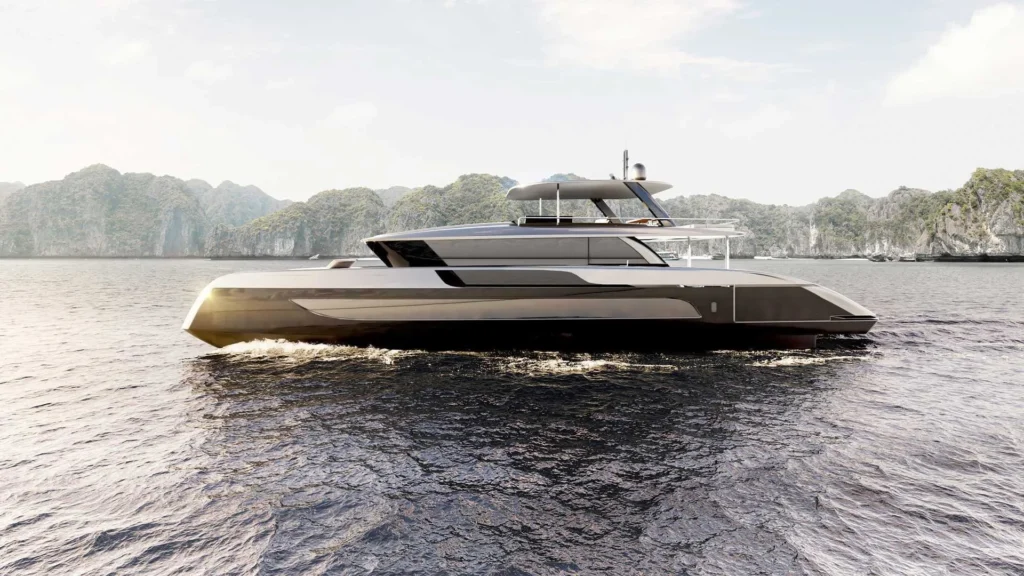
Imagine gliding across turquoise waters, the only sounds being the gentle lapping of waves and the cries of seabirds overhead. No rumbling diesel engine, no fumes fouling the air—just you, the sea, and the sun powering your journey. This is the promise of hybrid and solar-powered yachts, a revolution in yachting that blends luxury with sustainability. As someone who’s always been captivated by the ocean’s allure, I’ve watched this transformation unfold with excitement. The idea of cruising in harmony with nature feels like a dream come true, and it’s one that’s becoming reality faster than ever.
In this blog post, we’ll dive deep into the world of hybrid and solar-powered yachts, exploring their technology, benefits, challenges, and what they mean for the future of boating. Whether you’re a seasoned yacht owner, an eco-conscious adventurer, or simply curious about the next big thing in marine travel, there’s something here for you. Let’s set sail on this journey together.
The Rise of Eco-Yachting: A New Era on the Water
Yachting has long been synonymous with opulence, but it’s also had a less glamorous side: its environmental impact. Traditional yachts guzzle marine diesel, emitting carbon dioxide, nitrogen oxides, and sulfur oxides that harm both air and water. A large superyacht can burn through 530 gallons of fuel per hour at high speeds, leaving a hefty carbon footprint. But as awareness of climate change grows, the industry is pivoting toward sustainability, and hybrid and solar-powered yachts are leading the charge.
The shift started small. Back in 2010, the MS Tûranor PlanetSolar, a futuristic-looking catamaran covered in 537 square meters of solar panels, became the largest solar-powered boat to circumnavigate the globe. It was a bold statement: solar energy could power serious maritime adventures. Since then, companies like Silent Yachts and Sunreef Yachts have turned this vision into a luxury reality, crafting vessels that combine eco-friendly propulsion with the comfort and style yacht owners expect.
What’s driving this trend? For one, advancements in solar panel efficiency and battery technology have made renewable energy viable for yachts. Plus, a new generation of boaters—especially millennials—values sustainability as much as luxury. They want to explore the world’s oceans without leaving a trail of pollution behind. As Francis Lapp, founder of Sunreef Yachts, told Newsweek, the idea for his company’s solar-powered yachts came to him in a dream, sparking a wave of innovation that’s now reshaping the industry.
How Hybrid and Solar-Powered Yachts Work
To understand why these yachts are game-changers, let’s break down how they work. Hybrid yachts combine traditional internal combustion engines (usually diesel) with electric motors powered by batteries. These batteries can be charged via the engine, solar panels, or even regenerative systems that harness energy while sailing. The result? A vessel that can switch between fuel and electric power, slashing fuel consumption by up to 30% compared to conventional yachts.
Solar-powered yachts, on the other hand, rely primarily on photovoltaic panels to capture sunlight and convert it into electricity. This energy powers the yacht’s propulsion and onboard systems, like air conditioning, lighting, and appliances. Silent Yachts, a pioneer in this space, equips its catamarans with sprawling solar arrays—up to 1,227 square feet on their 80-foot model—paired with lithium-ion batteries for storage. A backup diesel generator kicks in when sunlight is scarce, ensuring reliability without sacrificing eco-credentials.
Sunreef Yachts takes it a step further with their Solar Skin 3.0 technology, integrating ultra-thin, durable solar cells into the yacht’s hull, masts, and even curved surfaces. These panels are lightweight (just 1.8 kilograms per square meter) and can generate power even in low-light conditions. The company’s AI-optimized system adjusts output in real time, mitigating shading from sails or superstructures for maximum efficiency.
Both hybrid and solar setups prioritize energy management. Charge controllers, inverters, and advanced battery systems ensure power is used efficiently, whether you’re cruising at 8 knots or anchored in a secluded bay. The result is a quieter, cleaner, and often more comfortable experience on the water.
The Benefits: Why Go Hybrid or Solar?
The appeal of hybrid and solar-powered yachts goes beyond their green credentials. Let’s explore the key advantages that make them so enticing.
First, there’s the environmental impact—or lack thereof. These yachts produce significantly lower emissions than their diesel-powered counterparts. A study cited by Green.org found that solar-powered boats have a much smaller carbon footprint, making them a promising solution for sustainable marine travel. For yacht owners who cherish the ocean’s ecosystems, this is a powerful motivator. Solar catamarans, in particular, are whisper-quiet, reducing noise pollution that can stress marine life like whales and dolphins.
Then there’s the sensory experience. I’ll never forget my first ride on a hybrid yacht during a boat show in Miami. The silence as we switched to electric mode was surreal—like sailing but without the hassle of rigging. No vibrations, no exhaust fumes, just the gentle hum of the electric motor. It felt like we were part of the sea, not fighting against it. Owners of Greenline Yachts, known for their hybrid systems, often describe this as “gentleman’s boating”—a refined, peaceful way to navigate.
Cost savings are another big draw. While the upfront price of a hybrid or solar yacht can be steep (more on that later), the running costs are dramatically lower. Greenline Yachts claims their hybrid models use up to four times less fuel than traditional powerboats, and solar yachts like those from Silent Yachts rarely need to visit the fuel dock. Solar panels also require minimal maintenance—no moving parts means less wear and tear. Over time, these savings can offset the initial investment, especially for frequent cruisers.
Finally, there’s the autonomy. Solar yachts, in particular, offer unmatched self-sufficiency. With enough battery capacity, you can anchor in remote coves for days without needing shore power or a generator. Greenline’s 40-foot model, for example, can sustain a weekend of normal use (fridge, lights, music, etc.) on cloudy days, recharging 3 kWh daily via solar panels. For adventurers who crave off-the-grid experiences, this is a game-changer.
Challenges and Limitations
Of course, no technology is perfect, and hybrid and solar-powered yachts come with their own set of challenges. One of the biggest is range and speed. Solar yachts excel at leisurely cruising—typically 6 to 12 knots—but they can’t match the top speeds of diesel-powered vessels, which can hit 35 knots or more. At higher speeds, batteries drain quickly, forcing reliance on backup generators or engines. As Silent Yachts’ CEO Michael Köhler puts it, “The question is, how long does the battery last at that speed?”
Battery technology is another hurdle. While lithium-ion batteries have improved dramatically, they’re still heavy and expensive. A large yacht might need tons of batteries, adding weight that can affect performance. Plus, battery production has its own environmental footprint, from mining raw materials to manufacturing. Researchers are exploring alternatives like solid-state batteries, but these aren’t yet mainstream.
Weather dependency is a concern for solar yachts. While modern panels can generate power on cloudy days, output drops significantly compared to sunny conditions. Hybrid yachts mitigate this with their dual power sources, but fully solar vessels need careful energy planning. Owners must optimize panel placement to avoid shading from masts or sails, as poorly positioned panels can slash efficiency.
Lastly, there’s the cost. Hybrid and solar yachts often carry a premium price tag due to their advanced systems. A Silent Yachts 80 starts at several million dollars, and retrofitting an existing yacht with solar panels can cost tens of thousands. However, as solar panel and battery prices continue to fall—down 50% since 2009, according to Köhler—these yachts are becoming more accessible.
The Future of Hybrid and Solar Yachting
The horizon looks bright for eco-yachting. Innovations are coming fast, from Sunreef’s AI-optimized Solar Skin to Fountaine Pajot’s ODSea+ hybrid system, which promises seamless integration across their catamaran range. Companies like Revolution Marine Group are pushing boundaries with models like the Oceanwalker S60e, a solar-electric catamaran launching in 2026 that boasts twin 150 kW motors for near-silent cruising.
Superyacht builders are also jumping on board. Feadship, a Dutch shipyard, aims to equip every new yacht with hybrid propulsion by 2025, absorbing the extra cost to accelerate adoption. Their 273-foot Savannah, launched in 2015, was a trailblazer, proving hybrid systems could scale to the superyacht level. Meanwhile, Sunreef’s Zero Cat concept—a 90-foot sailing superyacht with a methanol-to-hydrogen generator—hints at a future where zero-emission cruising is the norm.
Beyond technology, the industry is embracing broader sustainability practices. Greenline Yachts uses vacuum infusion techniques to reduce emissions during production, and Sunreef offers biodegradable boat wash solutions to minimize environmental harm. As regulations tighten—think the U.S. law mandating 80% cuts in sulfur and nitrogen oxide emissions for boats over 78 feet—these innovations will become essential.
Real-World Examples: Eco-Yachts in Action
To bring this to life, let’s look at a few standout yachts. Silent Yachts’ Silent 80 is a marvel of design, with a spacious salon, six staterooms, and enough solar power to cruise indefinitely at low speeds. Owners rave about its ability to anchor in pristine locations without disturbing the peace. Sunreef’s 80 Eco, meanwhile, integrates solar panels into its hull and masts, blending aesthetics with function. It’s a favorite among celebrities like Rafael Nadal, who value both luxury and sustainability.
On the hybrid side, Greenline’s 40 is a more accessible option, perfect for weekend warriors. Its solar roof and 7.2 kWh battery pack keep amenities running smoothly, even on cloudy days. For something truly unique, the MODX 70 catamaran combines solar, wind, and hydrogeneration for 100% renewable propulsion—an ambitious vision of what’s possible.
These yachts aren’t just toys for the wealthy; they’re proving grounds for technologies that could transform commercial shipping, ferries, and even cargo vessels. The ripple effect of this innovation is just beginning.
Actionable Advice for Aspiring Eco-Yachters
Ready to embrace the eco-yachting lifestyle? Here’s how to get started. First, assess your needs. Are you a day cruiser or a long-range adventurer? Hybrid yachts suit those who want flexibility, while solar yachts are ideal for off-grid enthusiasts. Research brands like Silent Yachts, Sunreef, or Greenline, and book sea trials to experience their systems firsthand.
Budget is key. If a new eco-yacht is out of reach, consider retrofitting an existing boat with solar panels and a battery bank. Companies like Berthon Spain specialize in these conversions, offering tailored solutions. Just ensure panels are installed correctly—shading can kill efficiency.
Maintenance is straightforward but crucial. Clean solar panels regularly with mild detergent and fresh water to maximize output. Check battery health and charge controllers to prevent overcharging. Finally, plan your routes to optimize fuel efficiency, using apps like those recommended by Ocean Tech for real-time energy data.
Conclusion: Charting a Sustainable Course
Hybrid and solar-powered yachts are more than a trend—they’re a glimpse into the future of yachting. They offer a chance to explore the world’s oceans with a lighter footprint, blending luxury with a deep respect for nature. From the silent glide of a solar catamaran to the fuel-saving versatility of a hybrid, these vessels redefine what it means to cruise in style.
As I reflect on my own love for the sea, I’m inspired by how far this industry has come. The challenges—cost, range, battery tech—are real, but they’re dwarfed by the progress being made. Whether you’re dreaming of owning an eco-yacht or simply cheering from the shore, there’s no denying the impact of this revolution.
So, what’s your next step? Maybe it’s researching a Greenline 40 for your next getaway or diving into Sunreef’s latest innovations. Perhaps it’s spreading the word about sustainable boating to inspire others. Whatever you choose, you’re part of a movement that’s making the seas cleaner, quieter, and more beautiful for generations to come. Let’s keep the momentum going.
FAQ
What’s the difference between a hybrid and a solar-powered yacht?
A hybrid yacht combines internal combustion engines (typically diesel) with electric motors powered by batteries, which can be charged via the engine, solar panels, or regenerative systems. This setup allows switching between fuel and electric power for greater efficiency and lower emissions. A solar-powered yacht relies primarily on photovoltaic panels to generate electricity for propulsion and onboard systems, often with a backup diesel generator for reliability. Solar yachts prioritize renewable energy, while hybrids offer flexibility for varied cruising needs.
Are solar-powered yachts reliable for long-distance cruising?
Yes, modern solar-powered yachts are increasingly reliable for long-distance cruising, especially models designed for it. Silent Yachts’ catamarans, for example, feature large solar arrays and high-capacity lithium-ion batteries that support extended trips at low speeds (6–12 knots). However, range depends on sunlight, battery storage, and energy management. Cloudy weather or high-speed cruising can limit autonomy, requiring a backup generator. Careful planning and optimal panel placement ensure reliability for offshore adventures.
How much do hybrid and solar-powered yachts cost?
Costs vary widely. Entry-level hybrid yachts, like Greenline’s 40, start around $500,000, while luxury solar catamarans from Silent Yachts or Sunreef can range from $2 million to over $10 million for superyachts. Retrofitting an existing yacht with solar panels and batteries typically costs $20,000–$100,000, depending on the setup. While upfront prices are high, lower fuel and maintenance costs can offset expenses over time. Prices are also dropping as solar and battery tech becomes more affordable.
Can solar yachts operate in cloudy or rainy conditions?
Yes, solar yachts can operate in cloudy or rainy conditions, but their efficiency drops. Modern solar panels, like Sunreef’s Solar Skin 3.0, generate power in low-light conditions, though output may be 30–50% lower than on sunny days. Greenline Yachts’ 40, for instance, recharges 3 kWh daily on cloudy days, enough for basic amenities. Batteries store excess energy from sunny days, and backup generators provide power when needed, ensuring uninterrupted operation.
How do hybrid and solar yachts benefit the environment?
These yachts reduce emissions significantly compared to diesel-powered vessels. Solar yachts produce near-zero emissions during electric operation, and hybrids cut fuel use by up to 30%, lowering carbon dioxide, nitrogen oxides, and sulfur oxides. Their quiet operation minimizes noise pollution, protecting marine life. Studies, like those cited by Green.org, confirm their lower carbon footprint. However, battery production has environmental costs, so choosing reputable manufacturers with sustainable practices is key.
What maintenance is required for hybrid and solar yachts?
Maintenance is generally lower than for traditional yachts. Solar panels need regular cleaning with mild detergent and water to remove dirt or salt buildup, ensuring optimal efficiency. Electric motors have fewer moving parts than diesel engines, reducing wear and tear. Batteries require periodic checks for health and charge levels, typically every few months. Hybrid systems need engine maintenance, but less frequently due to reduced use. Always follow manufacturer guidelines for longevity.
Are there financing options for eco-yachts?
Yes, financing options are available, similar to traditional yachts. Marine lenders like Trident Funding or Sterling Associates offer loans for hybrid and solar yachts, with terms based on credit, down payment, and vessel cost. Some manufacturers, like Greenline, partner with dealers to provide financing plans. Green incentives or tax credits may apply in certain regions for eco-friendly boats—check local regulations. Comparing rates and terms is crucial for the best deal.
How can I start exploring hybrid or solar yachting?
Begin by researching brands like Silent Yachts, Sunreef, or Greenline to find models that match your cruising style and budget. Attend boat shows or book sea trials to experience their systems firsthand. If buying new isn’t feasible, consider retrofitting a used boat with solar panels—consult experts like Berthon Spain. Join online forums or connect with owners for insights. Plan fuel-efficient routes and use energy-monitoring apps to maximize efficiency. Start small, and let your passion for sustainable boating guide you.