


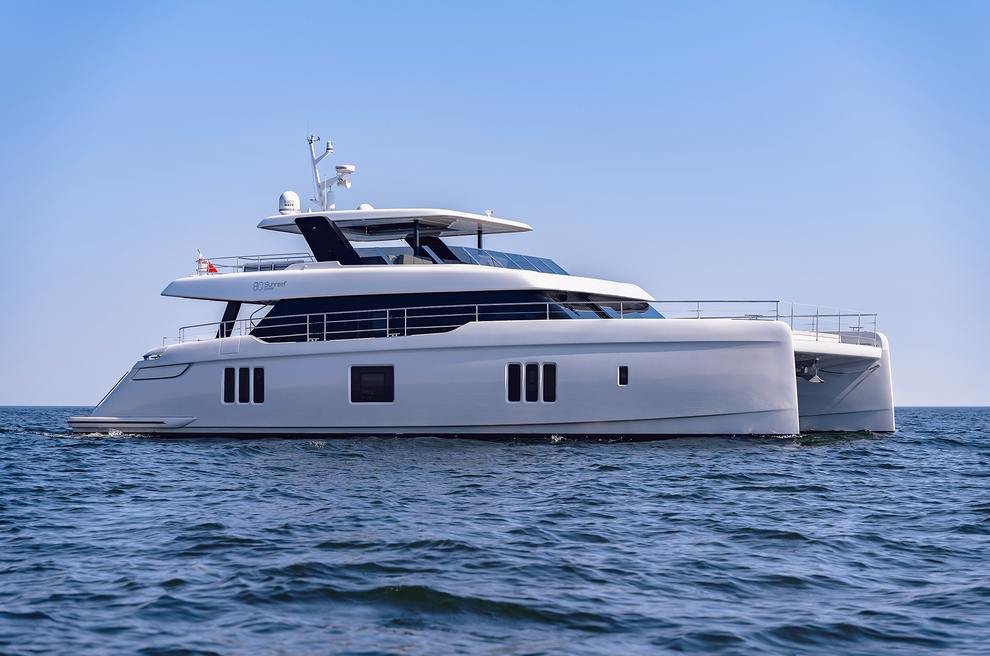
Imagine gliding across the turquoise waters of the Mediterranean, the sun warming your face, the wind whispering through the sails, and the gentle hum of an electric motor powering your yacht. No diesel fumes, no rumbling engines, just the serene beauty of the sea and the knowledge that your journey is leaving the ocean as pristine as you found it. This isn’t a far-off dream—it’s the future of yachting, and it’s closer than you might think. As someone who’s spent countless weekends dreaming of the open water, I’ve always been captivated by the elegance of yachting. But the environmental cost of this luxury has often weighed heavily on my mind. The good news? The yachting industry is undergoing a revolutionary transformation, driven by cutting-edge technology and a collective commitment to sustainability. Let’s dive into the innovations steering this industry toward a greener horizon and explore what the future holds for sustainable yachting in 2025 and beyond.
The Call for Change: Why Sustainability Matters in Yachting
Yachting has long been synonymous with luxury, freedom, and adventure. But let’s be honest: traditional yachts, with their diesel-guzzling engines and resource-heavy construction, haven’t always been kind to the planet. According to a 2023 report by the International Maritime Organization, maritime transport, including yachting, accounts for nearly 3% of global greenhouse gas emissions. That’s no small number when you consider the scale of the industry. Add to that the issues of waste discharge, plastic pollution, and the environmental toll of building these floating palaces, and it’s clear why change is urgent.
The push for sustainability isn’t just about regulations—though those are tightening, with the EU’s Emissions Trading Scheme now including large yachts over 5,000 gross tons. It’s also about a cultural shift. Younger yacht owners and charter guests, who are increasingly eco-conscious, are demanding vessels that align with their values. I remember chatting with a yacht captain at a marina in Monaco who told me, “The new generation doesn’t just want luxury; they want to feel good about it.” This sentiment is driving shipyards, designers, and innovators to rethink every aspect of yachting, from propulsion to materials to onboard systems.
Zero-Emission Propulsion: The Power of the Future
One of the most exciting advancements in sustainable yachting is the shift toward zero-emission propulsion systems. Picture this: a yacht powered entirely by the sun, wind, or even hydrogen, cruising silently across the ocean. It’s not science fiction anymore. Solar-powered yachts, like the Silent 60 by Silent Yachts, are leading the charge. These catamarans rely on solar panels to generate electricity, offering virtually limitless range with zero emissions. I was blown away when I read that the Silent 60 can cross oceans without a drop of diesel, powered solely by the sun and a robust battery system.
Then there’s hydrogen, the new kid on the block. In 2024, Sanlorenzo Group made waves with the launch of the world’s first hydrogen-powered chase boat for the America’s Cup, a 10-meter vessel that hits 50 knots using hydrofoils and methanol fuel cells. This isn’t just a one-off stunt; it’s a glimpse into a future where hydrogen could power larger superyachts. Sanlorenzo’s 50Steel, set to debut soon, uses a reformer fuel cell system to convert green methanol into hydrogen, powering onboard systems without relying on the main engines. The catch? Hydrogen infrastructure is still a hurdle, requiring significant investment from marinas and governments to make refueling viable.
Hybrid propulsion is another game-changer, blending electric motors with traditional engines for flexibility and efficiency. Brands like Feadship are pushing boundaries with projects like the hybrid-powered Hype-R, designed for younger, tech-savvy owners. These systems reduce fuel consumption by up to 30%, according to Boat International, and allow yachts to operate silently in sensitive marine areas. Imagine anchoring in a pristine bay without disturbing the marine life—a small but meaningful step toward sustainability.
Sustainable Materials: Building with the Planet in Mind
The materials used to build yachts are getting a green makeover too. Traditionally, yachts have relied on fiberglass, carbon fiber, and exotic woods, which come with a hefty environmental cost. But innovative shipyards are turning to alternatives like recycled aluminum, bamboo flooring, and bio-based composites. I recently came across Baltic Yachts, which uses flax fibers—lighter than glass and with up to 75% lower CO2 emissions—to construct hulls. Flax grows in just eight weeks and requires minimal irrigation, making it a win for both the planet and performance.
Recycled materials are also gaining traction. The Artefact superyacht, a 262-foot marvel, incorporates 248 feet of solar panels and sustainable woods to minimize its ecological footprint. Even interior furnishings are evolving, with designers opting for organic fabrics and non-toxic paints to reduce harmful runoff. I spoke with a yacht designer who shared, “Clients used to want teak no matter the cost. Now, they’re asking for recycled or sustainably sourced materials that tell a story.” This shift reflects a broader trend: sustainability is becoming a status symbol, blending luxury with responsibility.
Smart Technology: Sailing Smarter, Not Harder
Technology is the backbone of sustainable yachting, and it’s not just about propulsion. Smart systems are making yachts more efficient than ever. Energy monitoring platforms, like those developed by Kongsberg Maritime, track onboard consumption in real time, optimizing everything from air conditioning to lighting. Predictive maintenance algorithms extend the lifespan of components, reducing waste, while AI-powered navigation systems plot fuel-efficient routes. I was fascinated to learn about Hefring Marine’s IMAS, an AI system that guides captains to save fuel and enhance safety by analyzing ocean currents and weather patterns.
Then there’s the rise of “invisible tech.” Picture TVs and control panels that blend seamlessly into a yacht’s interior, reducing clutter and energy use. At the 2024 Dubai International Boat Show, exhibitors showcased voice-activated controls and automated docking systems, making yachting more accessible and efficient. These advancements aren’t just cool—they’re practical, appealing to a new generation of yachters who value convenience and eco-friendliness.
Waste Management: Keeping Oceans Clean
Yachting’s impact on marine ecosystems goes beyond emissions. Waste management is a critical piece of the sustainability puzzle. Modern yachts are now equipped with advanced systems to treat greywater and blackwater, ensuring no harmful discharge reaches the sea. Biodegradable cleaning products and onboard composters are becoming standard, while filtration systems tackle microplastics. The Water Revolution Foundation, a nonprofit driving sustainable practices, emphasizes the importance of these innovations in protecting delicate marine environments.
I recall a conversation with a yacht crew member who described their ship’s new wastewater treatment system. “It’s a game-changer,” she said. “We used to worry about accidental spills. Now, we know we’re doing our part to keep the ocean clean.” These systems align with regulations like the IMO’s MARPOL convention, which sets strict standards for pollution prevention, ensuring yachts comply while cruising responsibly.
The Role of Community and Collaboration
Sustainability isn’t a solo effort—it requires collaboration across the industry. Initiatives like the Prince Albert II of Monaco Foundation and the Water Revolution Foundation are uniting shipyards, owners, and environmentalists to share knowledge and drive innovation. Open-source platforms, like the one being developed by SEA Yacht Group, aim to crowdsource solutions for challenges like ocean conservation and resource management. These efforts remind me of Boyan Slat’s The Ocean Cleanup, which started as a bold idea and grew into a global movement through community support.
The yachting community is also stepping up through education. The Sustainability Academy’s Online Certificate in Sustainable Yachting equips professionals with the tools to implement green practices, from regulatory compliance to eco-conscious design. As someone who’s passionate about learning, I find it inspiring to see an industry traditionally associated with excess now investing in knowledge to lead change.
The Economic and Cultural Shift
Sustainability isn’t just good for the planet—it’s good for business. The yachting industry, valued at $54 billion in 2024 according to Yacht Sourcing, is seeing a surge in demand for eco-friendly vessels. Fractional ownership models are making yachting more accessible, allowing more people to experience sustainable luxury without the full cost of ownership. Meanwhile, destinations like the Middle East are emerging as new hubs for green yachting, with events like the Dubai International Boat Show showcasing sustainable innovations.
Culturally, the industry is adapting to a younger, more environmentally aware audience. At the World Yachting Summit in Monaco, industry leaders emphasized that the next generation prioritizes experiences over ownership, seeking yachts that offer sustainable, meaningful adventures. This shift is pushing charter companies to offer eco-conscious packages, from low-impact itineraries to onboard wellness retreats.
Challenges on the Horizon
Despite the progress, sustainable yachting faces hurdles. Hydrogen infrastructure remains a significant barrier, as does the high cost of eco-friendly materials and technologies. Regulatory compliance, while necessary, can be complex and costly, especially for smaller operators. And let’s not forget the challenge of “greenwashing”—some brands exaggerate their eco-credentials, risking consumer trust. As a yachting enthusiast, I’ve learned to look for certifications like IMO Tier III or partnerships with reputable organizations to separate genuine efforts from marketing hype.
Looking Ahead: A Vision for 2030 and Beyond
By 2030, the yachting industry could look radically different. Experts predict a surge in 3D-printed hulls, which eliminate wasteful molds and allow for custom, lightweight designs. Hydrogen and biofuels will likely become mainstream, with shipyards like Oceanco aiming for zero waste by 2030. Multihulls, with their efficiency and space for solar panels, are expected to dominate the market. And as AI and automation advance, yachts will become smarter, safer, and greener, making sustainable cruising the norm rather than the exception.
As I reflect on my own love for the sea, I’m excited by the possibilities. The future of yachting isn’t about sacrificing luxury—it’s about redefining it. It’s about cruising with a clear conscience, knowing that every voyage respects the oceans we cherish. Whether you’re a seasoned yachter or dreaming of your first charter, the sustainable revolution offers a chance to be part of something bigger—a movement to preserve our planet’s beauty for generations to come.
FAQ: Your Questions About Sustainable Yachting Answered
What are the main technologies driving sustainable yachting?
The push for sustainability in yachting is powered by several key technologies. Zero-emission propulsion systems, like solar-electric and hydrogen fuel cells, are at the forefront, with yachts like the Silent 60 and Sanlorenzo’s 50Steel leading the way. Hybrid propulsion combines electric motors with traditional engines to cut fuel use by up to 30%. Sustainable materials, such as flax fibers and recycled aluminum, reduce the environmental impact of construction. Smart technologies, including AI navigation and energy monitoring, optimize efficiency, while advanced waste management systems prevent marine pollution. These innovations work together to make yachting greener without compromising performance or luxury.
How do regulations impact sustainable yachting?
Regulations are a major driver of sustainability. The International Maritime Organization’s MARPOL convention sets strict standards for pollution prevention, covering oil, sewage, and garbage discharge. The EU’s Emissions Trading Scheme, extended in 2024 to include large yachts, imposes carbon credit costs on commercial vessels, pushing operators toward cleaner fuels and efficient systems. The IMO’s net-zero goal for 2050 is also shaping long-term strategies, encouraging shipyards to invest in alternative fuels and circular design. Compliance can be costly, but it ensures yachts meet global environmental standards, protecting marine ecosystems.
Are sustainable yachts as luxurious as traditional ones?
Absolutely. Sustainable yachts like the Artefact or Silent 60 prove that eco-friendliness doesn’t mean sacrificing luxury. These vessels boast spacious interiors, cutting-edge amenities, and sleek designs, all while using sustainable materials and propulsion systems. Features like solar panels, hybrid engines, and smart tech enhance the experience by offering silent cruising, energy efficiency, and seamless integration with the environment. For eco-conscious owners, the ability to cruise responsibly adds a new layer of prestige to the luxury experience.
What are the biggest challenges to sustainable yachting?
The main challenges include infrastructure limitations, particularly for hydrogen-powered yachts, which require specialized refueling stations. The high cost of eco-friendly materials and technologies can also be a barrier, especially for smaller operators. Regulatory compliance adds complexity and expense, while greenwashing—exaggerated eco-claims—risks undermining trust. Overcoming these hurdles will require investment, collaboration, and transparency across the industry, but the momentum is strong, with innovations and community efforts paving the way.
How can I get involved in sustainable yachting?
Start by choosing eco-conscious charter companies or shipyards, like those partnered with the Water Revolution Foundation, that prioritize sustainability. If you’re a professional, consider enrolling in the Sustainability Academy’s Online Certificate in Sustainable Yachting to gain expertise in green practices. As a consumer, ask for transparency about a yacht’s environmental credentials and support brands that use certified sustainable materials or comply with IMO standards. You can also advocate for ocean conservation by supporting initiatives like The Ocean Cleanup or local marina sustainability programs.
Conclusion: Charting Your Own Sustainable Journey
The future of sustainable yachting is a story of innovation, responsibility, and hope. From hydrogen-powered chase boats to flax-fiber hulls, the industry is proving that luxury and environmental stewardship can coexist. As someone who’s felt the pull of the open water, I’m inspired by how far we’ve come—and excited for what’s next. The technologies and practices shaping yachting today are not just about reducing emissions or waste; they’re about reimagining a lifestyle that celebrates the sea while protecting it.
If you’re ready to embrace this future, start small but think big. Charter a hybrid yacht for your next adventure, or explore fractional ownership to experience sustainable luxury without breaking the bank. Support shipyards and brands that prioritize green innovation, and consider learning more through programs like the Sustainability Academy’s certificate. Most importantly, share the vision—talk to friends, crew, or fellow enthusiasts about the importance of sustainable yachting. Together, we can ensure that the oceans remain a playground for adventure, not a casualty of it. So, set sail with purpose, and let’s make every voyage a step toward a greener tomorrow.